Why Do Mattresses with the Same Specs Feel So Different in Real Life
When sourcing mattresses, many buyers run into the same frustration:
two mattresses look almost identical on the spec sheet—same spring count, wire gauge, height, firmness rating—yet after some time in use, the differences become obvious. Comfort, long-term support, and customer feedback can vary a lot.
At Jilin Hongji Co., Ltd., a manufacturer focused on mattresses and mattress spring systems for many years, we see this all the time across different markets. One key takeaway from our experience is simple: real sleeping performance is not decided by specs alone.
Same specs don’t mean the spring system is truly the same.
In most comparisons, buyers first look at spring data such as:
Spring type: independent pocket springs;
Wire diameter: 1.8–2.2 mm;
Spring height: 170–200 mm;
Spring count: 800–1000 pcs (queen size).
These numbers are not wrong, but they only describe size and quantity. They don’t fully show how the spring system actually performs.
In real production, spring performance also depends on:
Consistency and strength of the steel wire;
Rebound control during spring forming.
Whether proper heat treatment and fatigue testing are applied.
When we produce Pocket Springs for mattress, we don’t apply one fixed standard to all products. We adjust wire tolerance, rebound rate, and fatigue targets based on the mattress positioning. That’s why two mattresses with “the same” spring parameters can behave very differently after years of use.
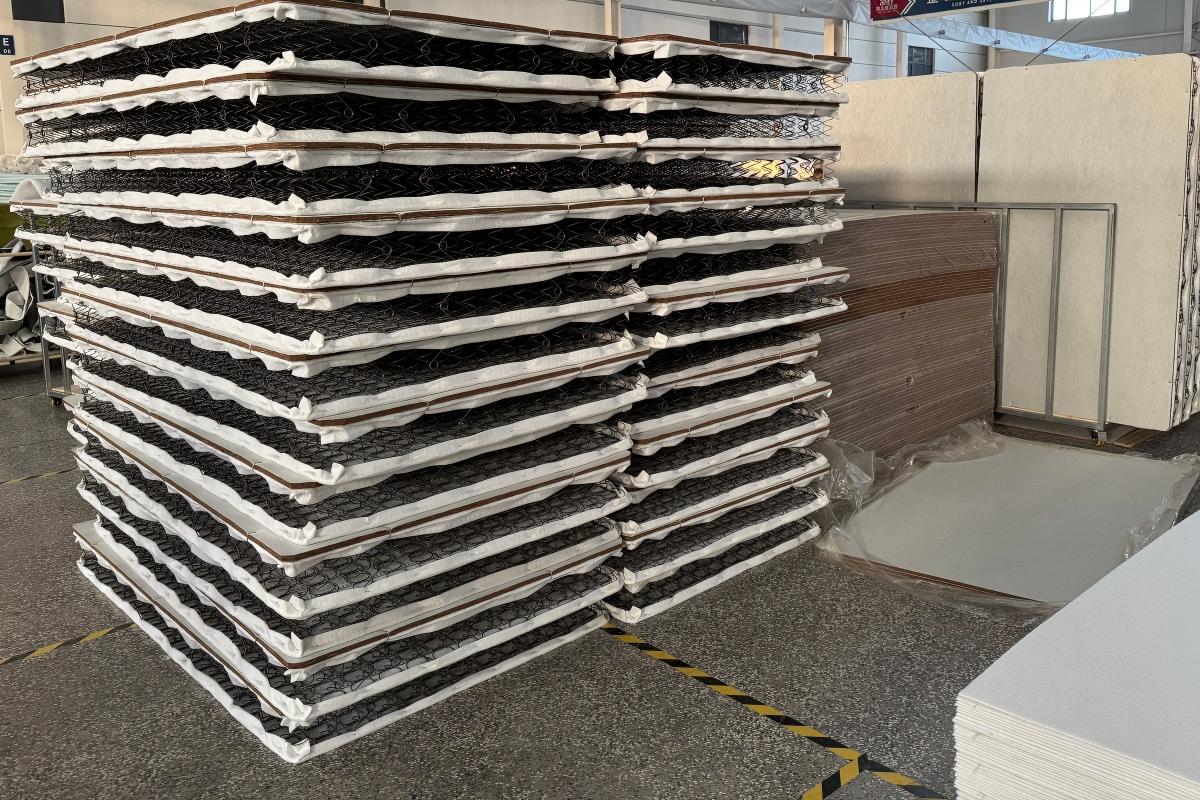
Internal structure decides long-term support stability.
Even if the springs and comfort materials look similar, the structure design makes a big difference to lifespan.
When customizing mattresses for our clients, we focus on:
Matching spring density to real pressure zones;
Whether edge reinforcement is needed.
How the comfort layers transfer force to the spring system.
For hotels or high-frequency use, for example, we often strengthen edge support and optimize zoning. This reduces edge collapse and uneven sagging over time. These details rarely appear on a parameter sheet, but they strongly affect real-world performance—especially in mattresses built with Pocket Springs for Mattress systems.
Comfort layers look simple on paper, but vary a lot in reality.
In product specs, comfort layers are often described briefly as “high-density foam” or “composite comfort layer.” In practice, the differences are much more complex.
Even with high-density foam, variations in density range, rebound speed, and fatigue resistance affect:
Initial comfort feel.
How fast does support decline over time?
Whether the mattress becomes soft or “flat” too quickly.
In our production, we choose comfort layer combinations based on mattress positioning, not just thickness. A well-matched structure and Pocket Springs for Mattress system matter more than adding extra foam.
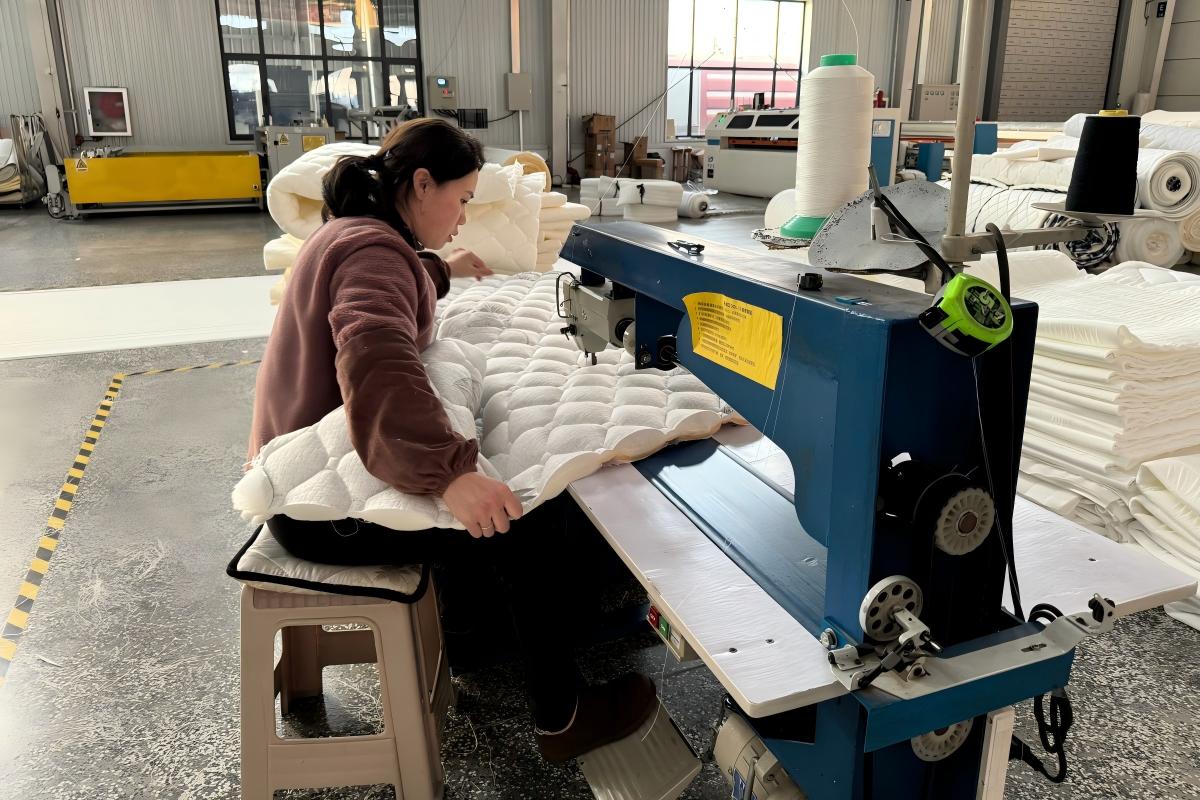
Customization decides whether the specs truly fit the market.
What counts as a “good” mattress spec differs by country and sales channel.
For overseas clients, we usually customize based on:
Wire diameter and spring height combinations;
Target firmness range;
Flexible matching of size, structure, and comfort layers.
This ensures the parameters are not just correct on paper, but actually suitable for local users.
Production consistency matters more than most buyers expect.
For distributors and brands, the real risk often shows up in repeat orders.
Even with the same specs, poor process control can lead to big differences between batches. That’s why our production focuses on:
Consistency in key spring and mattress processes;
Tight control of structural and parameter tolerances;
Finished product sampling and long-term performance testing.
Mattress parameters are important, but they’re only a starting point. What really defines comfort and durability is material standards, structural logic, and whether a factory can deliver stable quality over time.
As a manufacturer that produces both mattress springs and finished mattresses, Jilin Hongji Co., Ltd. controls quality from the spring core to the final product. This integrated approach helps our partners reduce risk and deliver more reliable mattresses to their markets.